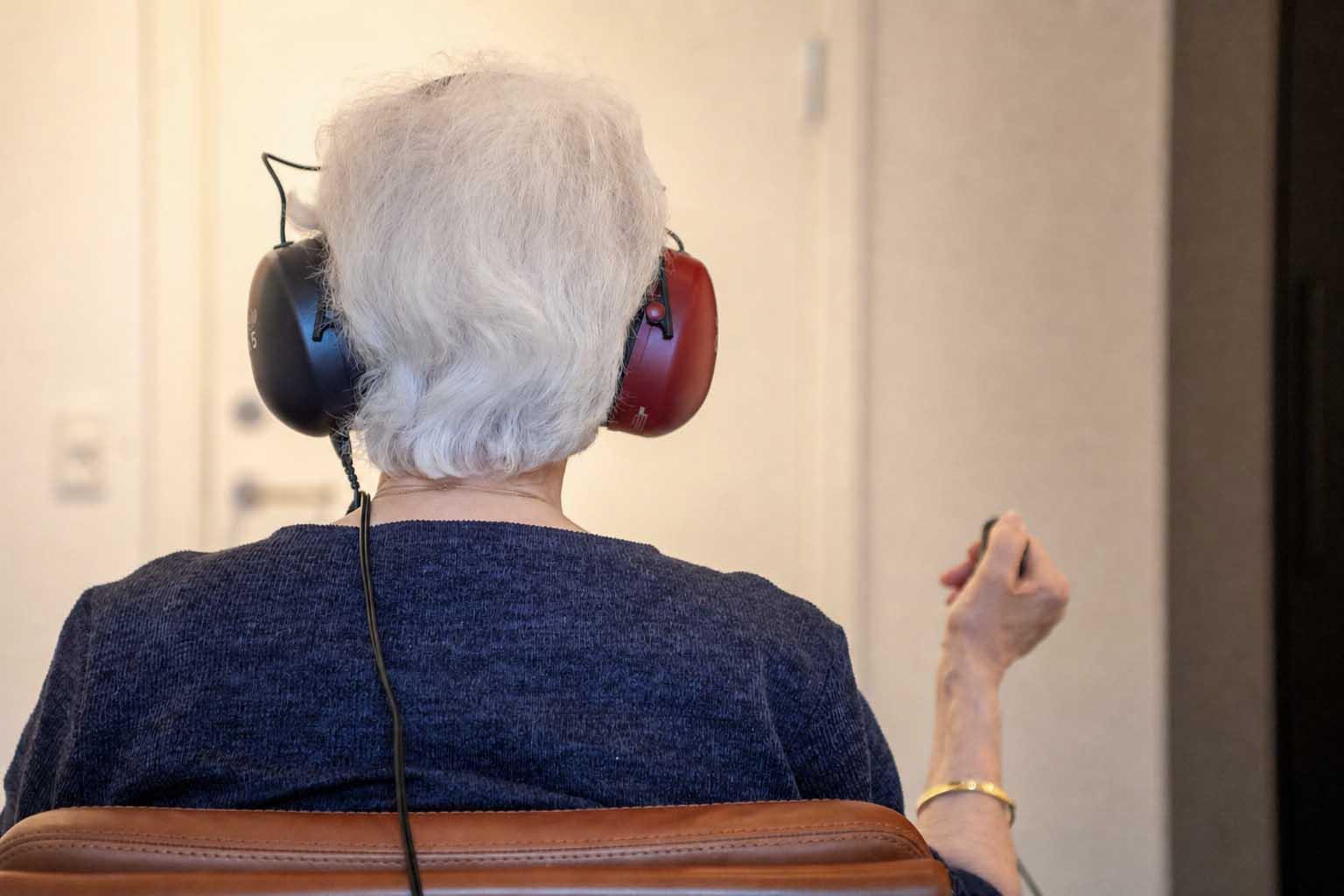
Hearing Assessment
Understanding the Hearing Assessment Process
For many people, booking a hearing test can feel like a significant step. Some are concerned about whether they may actually have hearing loss. Others are unsure what the test might reveal, or whether it automatically means they will need hearing aids.
Your Guide to Better Hearing
Many people find it difficult to understand what hearing loss, tinnitus and hearing aids actually mean in everyday life. That is why we have brought together a range of articles that answer some of the questions we are most frequently asked in the clinic.
Our aim is to provide clear, reliable information that helps you feel informed and confident about your hearing health, whether you are simply curious about your hearing or considering treatment options.
In practice, a hearing test is a straightforward and painless assessment that provides a clear picture of how well you hear in different situations. However, a comprehensive hearing assessment involves much more than an audiogram. It also considers speech understanding, tinnitus, listening effort and the impact that hearing has on your everyday life.
At Rhino Hearing Clinic in Hellerup, we take the time to combine precise audiological testing with a thorough consultation, ensuring that you receive an assessment that is meaningful in real-life situations — not just on paper.
Many people develop hearing loss gradually without really noticing it. Often, it is family members, friends or colleagues who notice the changes first. Common signs may include:
Other people seem to mumble
The television needs to be turned up louder than before
Conversations in restaurants or meetings become tiring
Frequently asking people to repeat themselves
Tinnitus or ringing in the ears
Fatigue after social situations
Difficulty hearing in background noise
Uncertainty about what is being said during telephone conversations
If you recognise several of these situations, it may be worth arranging a hearing test. The earlier hearing loss is identified, the easier it is often to manage.
Read our article on the signs of hearing loss.
A hearing test assesses, among other things, the quietest sounds you can hear across different frequencies. This part of the assessment is known as pure-tone audiometry and provides an overview of your hearing sensitivity in both low and high frequencies.
The assessment is often supplemented by speech audiometry, which evaluates speech understanding. This is particularly important because many people are affected more by reduced speech clarity than by reduced volume itself. It is entirely possible to hear that someone is speaking without fully understanding what they are saying.
Depending on your symptoms, we may also assess middle ear function and determine whether there are any signs of conditions that should be investigated further by an Ear, Nose and Throat (ENT) specialist.
An audiogram is an important diagnostic tool, but it does not tell the whole story about how hearing functions in everyday life.
Two people with almost identical hearing test results may experience their hearing very differently. Some cope well in quiet surroundings but become quickly fatigued in social situations or at work. Others experience significant difficulties following conversations in noisy environments or struggle with bothersome tinnitus, even when hearing loss appears relatively moderate.
For this reason, hearing test results should always be considered in relation to:
Working life and meeting environments
Social situations
Tinnitus
Unilateral hearing loss
Listening effort and mental fatigue
Everyday communication needs
This is where the audiological consultation becomes essential. The aim is not simply to measure hearing, but to understand how hearing difficulties affect your life.
Read more about tinnitus and hearing.
In some situations, a more urgent medical assessment may be necessary.
This may be appropriate if hearing difficulties:
Occurred suddenly
Are significantly worse in one ear
Are accompanied by severe tinnitus
Are accompanied by dizziness
Are accompanied by a feeling of pressure in the ear or other ear-related symptoms
NICE guidelines recommend prompt assessment for sudden hearing loss and particular attention to asymmetrical hearing loss. A hearing test should therefore always be considered within an appropriate clinical context rather than as a purely technical measurement.
One of the advantages of Rhino Hearing Clinic is that the clinic is integrated within Rhinoklinikken Private Hospital, providing direct access to ENT specialists whenever further medical assessment is required.
The outcome of a hearing assessment should lead to a clear plan.
Some people may benefit from hearing aids. Others may simply require ongoing monitoring or practical advice on how to reduce listening strain in specific situations. In some cases, further assessment by an Ear, Nose and Throat (ENT) specialist or a hospital audiology department may be recommended.
For most people, a good hearing assessment is not simply about being told whether their hearing is “good enough”. It is about understanding what the results mean in practical terms and learning about the options available to them.
Read more about modern hearing aids and the possibilities they offer today.
At Rhino Hearing Clinic, we take a patient-centred approach founded on clinical expertise and thorough audiological care. For patients from Hellerup, Østerbro, Frederiksberg, Gentofte, Charlottenlund, Klampenborg, Vedbæk, Rungsted, Hørsholm and across North Zealand, our aim is to provide a hearing care journey that reflects the realities of everyday life.
This means that our advice and hearing aid fittings are based on more than test results alone. They are based on understanding the individual behind the hearing assessment and how hearing influences their daily life, communication needs and overall well-being.
Does a Hearing Test Hurt?
No. A standard hearing test is painless. You will typically wear headphones and respond to a range of sounds and spoken words. Some sounds may seem loud or slightly uncomfortable, but the test itself does not hurt.
How Long Does a Hearing Test Take?
A comprehensive hearing assessment typically takes between 45 and 90 minutes, depending on your symptoms, needs and the extent of the evaluation required.
Can a Hearing Test Determine Whether I Need Hearing Aids?
A hearing test provides an important professional basis for decision-making, but the decision also depends on your symptoms, speech understanding and communication needs. Modern hearing aids are highly advanced and discreet, but the most important factor is whether the solution is right for you.
Is a Free Hearing Screening the Same as a Full Hearing Assessment?
Not necessarily. Many providers offer quick hearing screenings that can indicate the possibility of hearing loss. A comprehensive audiological assessment is typically far more detailed and provides a much stronger foundation for advice and treatment recommendations.
Should I Be Nervous About Having a Hearing Test?
It is perfectly normal to feel apprehensive or uncertain before a hearing assessment. Many people live with suspected hearing loss for a long time before deciding to have their hearing checked. For most, however, the experience is ultimately reassuring, providing clarity and helping them better understand the challenges they have been experiencing.
This article has been clinically reviewed by Lars-Bo Kjær, BA Audiology (University of Southern Denmark), Audiologist at Rhino Hearing Clinic.
National Institute for Health and Care Excellence (NICE). Hearing loss in adults: assessment and management. NICE guideline [NG98], 2018. NICE Guideline NG98
World Health Organization (WHO). World Report on Hearing.Geneva: World Health Organization; 2021. WHO World Report on Hearing
British Society of Audiology (BSA). Recommended Procedure: Pure-tone Air-Conduction and Bone-Conduction Threshold Audiometry. British Society of Audiology, 2018. British Society of Audiology

Hearing aid treatment may be appropriate if you experience hearing loss, difficulty understanding speech or tinnitus in everyday life. At Rhino Hearing Clinic in Hellerup, we offer comprehensive hearing assessments, specialised diagnostic evaluations and modern hearing aids tailored to your hearing loss and individual needs.
If you have to wait more than 4 weeks for treatment or surgery in the public healthcare system from the date of referral, or if your surgery date has been changed or postponed, you can make use of the extended free hospital choice with us.
We also collaborate with insurance companies. Contact us or your insurance provider to learn more about your options for coverage of a treatment course with us.
Contact us
If you would like to know more about the surgery or are interested in a no-obligation consultation about your options, you are welcome to contact us via the contact form here.
Contact